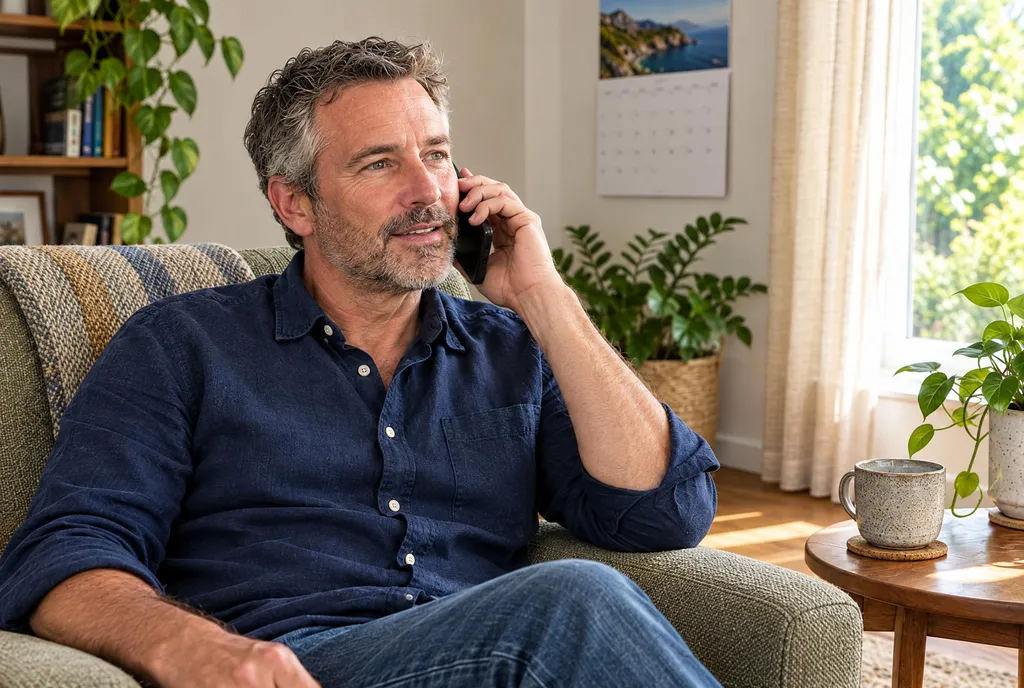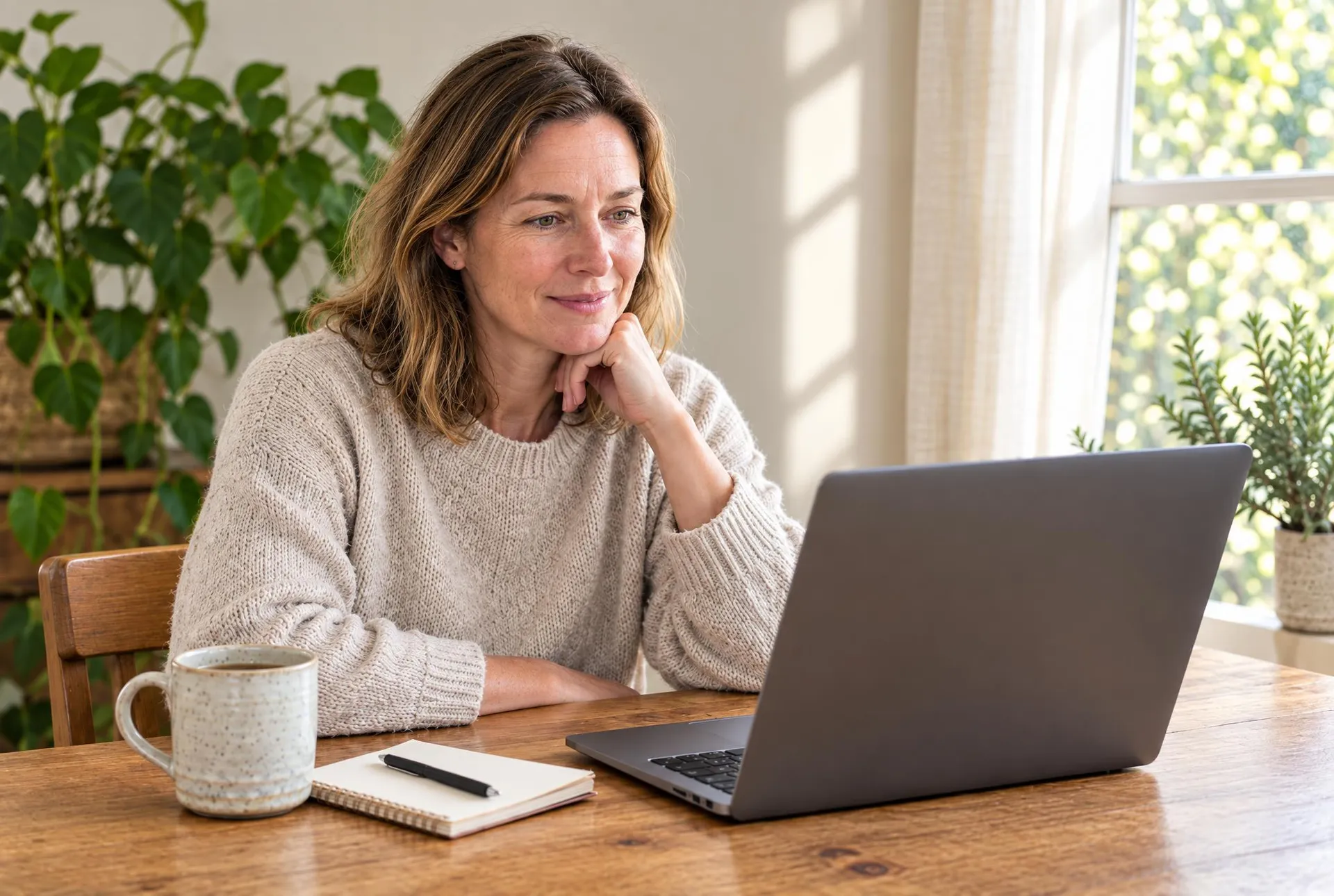
A first telehealth appointment is a health consultation held live, by video or by phone. It asks the same care of your practitioner as a visit to a clinic room. In Australia, most first appointments follow a steady order. Your practitioner confirms who you are, learns about your health and agrees the next step with you.
Knowing that order in advance changes how the call feels. You arrive with your questions ready and your attention on the conversation. What follows takes each part in turn. Every practice runs things a little differently, so your own practice’s instructions always come first.
What is a first telehealth appointment?
A first telehealth appointment is a live consultation with a health practitioner, held by video call or phone call instead of in person. Your practitioner learns your health history and why you booked. In Australia, it should meet the same standards of care as an in-person visit, as far as possible.
The Medical Board of Australia sets that standard in its telehealth guidelines. Telehealth care “must be safe and as far as possible meet the same standards of care as provided in an in-person consultation.” The Board also says that “when practical, video consultations are preferable to telephone consultations.” On video, your practitioner can see you, and you can read their face in return. A phone call still suits some appointments, and your practice will tell you which to expect.
What happens before the call starts?
Most practices send a confirmation with the date, the time and how you will connect. For a video appointment, that is usually a link you open in your browser. For a phone appointment, your practitioner calls you. Some services also ask you to complete a short form beforehand, so your practitioner can prepare.
That form lets your practitioner read up before you meet. The consultation itself is the live conversation, and that is where your health is discussed. Open the link a few minutes early to test your camera and sound. Choose a quiet room where nobody can overhear you. Our guide on how to prepare for a telehealth consultation covers your health history, your questions and your device in more detail.
How does a telehealth appointment begin?
The first few minutes are for introductions and checks. Your practitioner says who they are and confirms who you are, often with your full name, date of birth and address. They ask whether anyone else is in the room and whether you are somewhere private. Then they explain how the appointment will run.
The identity check is a safety step. The Medical Board asks practitioners to confirm the identity of the patient “and any other persons present at each consultation.” A family member, carer or friend can sit beside you if you wish. Mention it at the start, and your practitioner will note it. If you need an interpreter, ask when you book, so one can be arranged in time.
If the practice plans to record the appointment, it should tell you first and ask for your consent. You can say no.
What will the practitioner ask you?
Most of a first telehealth appointment is a conversation about you. Expect questions about why you booked, your health history, anything you currently take and how your days usually run. Your practitioner is building a clear picture of your health. They will return to it at later appointments, so the full story is worth giving now.
The questions usually cover these areas:
- What you have noticed, how long it has been going on and how it shapes your week.
- Past and current health conditions, operations, hospital stays and allergies.
- Health conditions that run in your family, where they are relevant.
- Prescribed medicines, over-the-counter products, vitamins and supplements.
- Sleep, work, activity, eating and stress, where they relate to your reason for booking.
A camera has limits, and an attentive practitioner works with them. They may ask you to describe something in more detail or hold it up to the camera. They may ask for recent test results or letters from other health professionals. If they need a physical examination or a blood test, they will explain how to arrange it.
What questions can you ask?
You can ask anything, at any point in the appointment. Short, simple questions help most. Ask what your practitioner thinks is going on, what your options are and what happens next. If an answer is unclear, ask them to say it again in plain words, or to write it down for you.
healthdirect, the government health information service, suggests writing your questions down before the appointment. It also suggests asking for information to be repeated or written down, so you can read it again later. You can bring a friend or relative along to help you remember. On a video call, that can be as simple as having them sit beside you.
Keep a notepad open during the call. Write down each test, referral or follow-up date as it comes up. Those details are easy to lose once the call ends, and easy to keep if you note them in the moment.
How does a first telehealth appointment end?
A first telehealth appointment ends with a clear next step, and that step is not always treatment. Your practitioner may give advice, suggest monitoring, request tests, refer you to another health professional or recommend no treatment. A care plan is discussed only if deemed medically appropriate. Each of these is a sound clinical outcome.
A first appointment may not give you one complete answer, and that is normal. Sometimes your practitioner needs test results before they can say more. Sometimes the right next step is a review with your usual GP. A good first appointment leaves you understanding where you stand and knowing what comes next.
Before the call ends, your practitioner should sum up what you discussed and what happens next. If they have not, ask them to go over it with you. It is a reasonable request, and it means you leave the call with nothing left to guess.
When is telehealth not the right fit?
Telehealth suits many health conversations, though some concerns need an in-person visit. If your practitioner needs to examine you, or your situation needs more care than a call can give, they will tell you. They should then help you arrange the right care. Ending a telehealth appointment early for this reason is a careful clinical decision.
healthdirect puts it plainly: “Not all health issues can be managed this way.” The Medical Board asks practitioners to arrange for a patient to be seen in person if necessary. That judgement continues through the whole appointment, so it can come up at any point.
Telehealth is also not for emergencies. If you have chest pain, trouble breathing, heavy bleeding or anything that feels life threatening, call 000.
What happens to your information after the call?
Your telehealth appointment becomes part of your health record, just as an in-person visit would. Australian privacy law covers how the practice collects, stores and shares that record. With your consent, your practitioner may send a summary to your usual GP. You can also ask the practice for a copy of your health information.
The Medical Board asks practitioners to inform your usual GP, with your consent and when clinically warranted. That keeps your care connected across the people who look after you. If you would prefer they did not share it, say so.
The Office of the Australian Information Commissioner explains your right to request access to your health information. It also sets an expectation for how quickly a practice should respond: “We generally think 30 days is a reasonable period.” Most practices publish a privacy policy that explains how they store and protect your details.
What to have ready on the day
A few minutes of preparation lets you settle into the call. Keep these close before it begins:
- A charged phone, tablet or computer with a working camera and microphone.
- A stable internet connection, or good phone reception for a phone appointment.
- A quiet, private room with light on your face.
- Your Medicare card or health fund card, if the practice asks for it.
- A list of anything you currently take.
- Your questions, written down, with the most important one first.
- A pen and paper, or a notes app, for the summary at the end.
How a first consultation works at Betterwell
At Betterwell, your first consultation is live, by video, with an Australian practitioner. It begins with a short assessment, and your practitioner reads every answer before you meet. In the consultation, you talk through your health history and your goals. A plan is agreed only if deemed medically appropriate. Other outcomes include advice, monitoring, a referral or no treatment.
If you go ahead, your practitioner checks in with you live every month. At each check-in, you review your progress together and choose to continue, adjust or conclude your care. Every month, the next step is yours. You can read more about why ongoing check-ins matter, or see the health goals we offer consultations for.
See how a Betterwell consultation works, or start your assessment when you are ready.
References
- Medical Board of Australia, Guidelines: Telehealth consultations with patients
- healthdirect Australia, Virtual care clinics
- healthdirect Australia, Questions to ask at your appointment
- Office of the Australian Information Commissioner, Access your health information